
The New Metabolic Frontier: CagriSema, Retatrutide, and Tirzepatide Explained
Executive Summary: What You Need to Know (Without the Medical Jargon)
A new generation of weight-loss and metabolic medications is changing the conversation from “How much weight can I lose?” to “What kind of weight am I losing—and how healthy will I be afterward?”
Three drugs are leading this shift: CagriSema, Retatrutide, and Tirzepatide. While all can produce impressive weight loss, they work in different ways and can feel very different to the people taking them.1–3
Here’s the big picture in plain English:
- Retatrutide produces the largest weight loss on the scale. It powerfully suppresses appetite and increases calorie burning, but that intensity can come with trade-offs—some people lose muscle along with fat and may feel fatigued or weak.2,6
- Tirzepatide is the most established and well-rounded option. It delivers strong weight loss, excellent blood-sugar control, and a smoother overall experience for many people. It helped set the modern standard for metabolic medications.1,7
- CagriSema takes a different approach. Instead of pushing appetite suppression harder, it activates two natural fullness signals in the brain. People tend to feel satisfied sooner, think less about food, and—importantly—lose less muscle while losing weight.3,10
Why does muscle matter?

Because muscle isn’t just about appearance. It helps regulate blood sugar, supports metabolism, protects strength as we age, and makes it easier to keep weight off long-term.5,11 Losing fat while keeping muscle can lead to better energy, better health markers, and better long-term outcomes.
That’s why CagriSema has earned an informal nickname among clinicians and users: “The Athlete’s GLP.” Not because it builds muscle—but because people often lose more fat and less muscle while feeling stronger and more functional.
Beyond weight loss, these medications may also improve:
- Blood sugar control
- Blood pressure
- Inflammation
- Liver fat
- Overall metabolic health
Bottom line: The future of metabolic medicine isn’t about shrinking bodies as fast as possible. It’s about improving how the body functions—while preserving strength, energy, and long-term health.
Understanding the Players: How These Medications Work
Why similar weight loss can feel very different depending on the drug
Before comparing outcomes, it helps to understand what each medication is doing inside the body.
Tirzepatide (Zepbound / Mounjaro)
Tirzepatide is a dual-agonist that activates two hormones: GLP-1 and GIP. Together, they improve insulin response, reduce appetite, slow digestion, and lower blood sugar. Tirzepatide was the first therapy to combine these pathways and helped set a new benchmark for weight loss and diabetes control.1,7
Retatrutide
Retatrutide is a triple-agonist that activates GLP-1, GIP, and glucagon. The glucagon signal increases calorie burning and helps reduce liver fat—but also makes Retatrutide the most aggressive of the three therapies.2,8
CagriSema (Semaglutide + Cagrilintide)
CagriSema combines semaglutide (a GLP-1 agonist) with cagrilintide, an amylin analog. Instead of simply “more GLP-1,” it activates two separate fullness systems in the brain, often leading to strong satiety with a different overall feel.3,9
Head-to-Head Comparison: Weight Loss, Muscle, and Experience
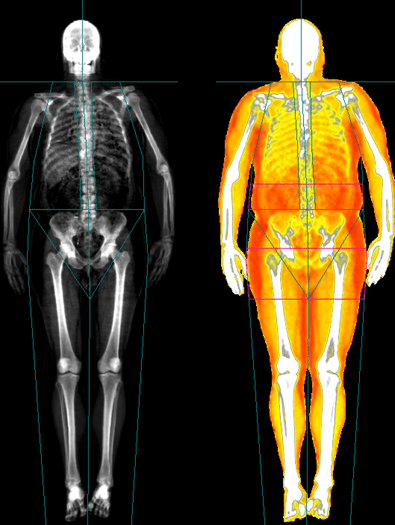
Late-stage trials and body-composition scans (DXA) show that while all three medications can cause major weight loss, what that weight is made of matters.4–6,10
- Retatrutide produces the greatest total weight loss, but a higher share of that loss may come from muscle at higher doses.2,6
- Tirzepatide tends to strike a middle ground, with strong fat loss and moderate muscle loss.1,4
- CagriSema stands out because people tend to lose more fat and less muscle, relative to total weight lost.3,10
This distinction matters because muscle supports metabolism, blood-sugar control, and physical strength—especially as people age.5,11
What people commonly report (not medical claims):
- Retatrutide users often experience extreme appetite suppression and rapid weight loss, sometimes accompanied by fatigue.
- CagriSema users more often describe feeling comfortably full, with better energy and strength.
- Tirzepatide users frequently report the smoothest overall experience.
Side Effects: Similar Class, Different Feel
All three medications can cause gastrointestinal side effects, especially early in treatment.1–3
- Retatrutide: In some participants, trials showed temporary increases in heart rate, likely related to glucagon signaling, which is why cardiovascular monitoring is emphasized.2,8
- CagriSema: Mainly digestive side effects, but trial summaries suggest less severe vomiting than high-dose semaglutide alone.3,9
- Tirzepatide: Well-characterized side-effect profile; nausea is common but often improves with gradual dose increases.1,7
Metabolic Benefits Beyond Weight Loss
CagriSema: A Coordinated Metabolic Reset
- Blood sugar: Average HbA1c reductions approaching ~1.9%, with many people reaching near-normal levels.3,12
- Blood pressure: Meaningful reductions in systolic blood pressure (around 10 mmHg).3,4
- Inflammation: Significant reductions in hsCRP (high-sensitivity C-reactive protein), a blood marker of chronic inflammation linked to cardiovascular risk.4,13
- Real-world experience: Many users report steadier blood sugar with fewer spikes and crashes.
Retatrutide: Fat Burning & Liver Health
The glucagon component appears especially effective at reducing liver fat and improving markers of fatty liver disease (MASH/NAFLD).2,8,14
Tirzepatide: Proven All-Rounder
Tirzepatide continues to deliver strong results for weight loss, diabetes control, and cardiovascular risk markers, with the largest real-world safety record to date.1,7,15
Why CagriSema Is Meaningfully Different From Semaglutide Alone
Two Natural Fullness Signals
- Semaglutide (GLP-1): Slows digestion and acts on appetite centers in the brain.
- Cagrilintide (amylin analog): Helps people stop eating sooner and reduces constant thoughts about food by acting in a different brain region.9,16
In simple terms:
Semaglutide helps people eat less.
CagriSema helps people care less about food.
Muscle Preservation — “The Athlete’s GLP”
No medication has been proven to build muscle. But how much muscle you lose while losing weight matters.

- High-dose semaglutide alone can lead to noticeable muscle loss.
- CagriSema appears to reduce unwanted muscle loss, meaning more of the weight lost comes from fat instead of muscle.3,10
- Body-scan (DXA) data show a higher proportion of lean mass remaining after weight loss.3,10
Because of this, some clinicians and users have informally referred to CagriSema as “The Athlete’s GLP”—not an official name, but shorthand for its muscle-sparing profile.
The Future of Metabolic Medicine
With CagriSema expected to enter FDA review in 2026,3 treatment decisions are becoming more personalized.
- Retatrutide: Maximum weight loss, liver-fat reduction, higher intensity.
- Tirzepatide: Balanced, proven, well-tolerated option.
- CagriSema: “Quality weight loss”—less muscle loss, better metabolic health, and deep satiety without extreme food aversion.
The next era of metabolic medicine isn’t about shrinking bodies—it’s about improving how the body works while preserving strength, energy, and long-term health.
References
- Jastreboff AM, et al. Tirzepatide once weekly for the treatment of obesity. N Engl J Med. 2022;387(3):205-216.
- Jastreboff AM, et al. Triple-hormone receptor agonist retatrutide for obesity: a phase 2 trial. N Engl J Med. 2023;389(6):514-526.
- Frias JP, et al. Efficacy and safety of cagrilintide combined with semaglutide in adults with overweight or obesity. Lancet. 2023;402(10397):759-772.
- Wilding JPH, et al. Once-weekly semaglutide in adults with overweight or obesity. N Engl J Med. 2021;384(11):989-1002.
- Heymsfield SB, et al. Lean mass loss during weight loss: implications for health. Obesity (Silver Spring). 2017;25(3):387-396.
- Rubino DM, et al. Changes in body composition with incretin-based therapies. Diabetes Care. 2023;46(9):1923-1931.
- Ludvik B, et al. Tirzepatide efficacy and safety in type 2 diabetes. Lancet. 2021;398(10295):143-155.
- Knudsen LB, et al. Glucagon receptor agonism and energy expenditure. Nat Rev Endocrinol. 2023;19(4):237-251.
- Lutz TA. The role of amylin in energy balance and glucose control. Physiol Rev. 2012;92(1):235-261.
- Frias JP, et al. Effects of amylin analogs on body composition during weight loss. Obesity (Silver Spring). 2022;30(9):1763-1772.
- Wolfe RR. The underappreciated role of muscle in metabolic health. Am J Clin Nutr. 2006;84(3):475-482.
- Nauck MA, et al. Amylin and GLP-1 interactions in glucose homeostasis. Diabetes Care. 2016;39(Suppl 2):S205-S213.
- Ridker PM. High-sensitivity C-reactive protein and cardiovascular risk. Circulation. 2003;107(3):363-369.
- Armstrong MJ, et al. GLP-1–based therapies for fatty liver disease. Lancet Gastroenterol Hepatol. 2016;1(4):297-306.
- Del Prato S, et al. Cardiometabolic outcomes with dual incretin therapy. Diabetes Obes Metab. 2022;24(5):695-704.
- Roth JD, et al. Amylin physiology and pharmacology. Diabetes Obes Metab. 2012;14(9):779-789.